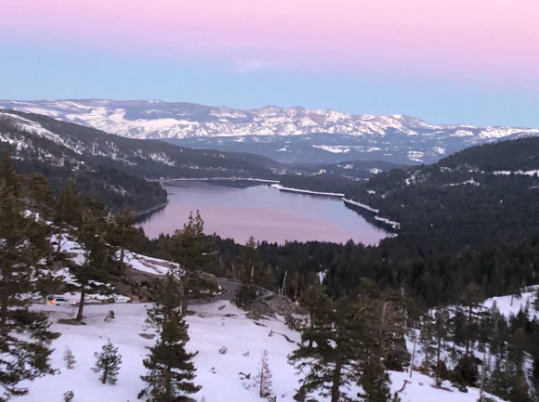
On February 13th, the deadliest West Coast avalanche in 45 years occurred in California’s Sierra Nevada mountains. Twelve experienced backcountry skiers, accompanied by four Blackbird Mountain Guides, were caught in an avalanche the size of a football field, and over the next five days, nine of them were confirmed dead. The Sierra Avalanche Center had issued a high-danger avalanche warning during a severe storm that brought 40 inches of snow two days before the incident occurred. This warning covered the expanse of the Sierra mountains. As the story of this tragedy hit the news, many wondered why a group so experienced in the backcountry would take a risk so extreme to venture out with the active avalanche warning. Research has shown that there are many underlying factors beyond safety that influence the decisions of people in high-risk avalanche conditions. Avalanche safety psychology is the study of this phenomenon, which has shown that over 90% of avalanches are triggered by the victims themselves. This is often due to overconfidence, a desire for fresh snow, or “heuristic traps,” which are how social pressures can override rational decision-making.
Heuristic traps are mental shortcuts that allow for decision-making that is not carefully thought out or is biased, leading to dangerous situations. Regarding avalanche safety, these shortcuts can be due to overconfidence, scarcity, and consistency. Experience can lead people to assume they know best, including not make the proper safety checks, or not consulting the whole group before making a decision. A season of scarce snowfall can cause the desire for fresh tracks to overlook safety, or wanting to stick to an original plan or goal, even if the mountain conditions suggest it’s unsafe. All of these factors cause skiers to ignore critical hazards. This demonstrates the importance of slowing down decision-making to consider the underlying reasons you might be putting your safety at risk.
Along with watching out for mental shortcuts, the best way to prevent being caught in an avalanche is to check local forecasts and avoid terrain steeper than thirty degrees. Effective prevention also includes never skiing alone and carrying gear like beacons (communication devices), shovels, and an avalanche air bag safety system. An airbag safety backpack creates a balloon of air and will bring you to the surface out of harm’s way. This physical safety is still important for the packing and planning of your skiing adventure, but being educated on heuristic traps might be just as valuable when faced with survival decisions in the backcountry.